
2027 summer camps in 10+ countries around the world with chaperones from Smapse

Group trips accompanied by our coordinators
-

United Kingdom
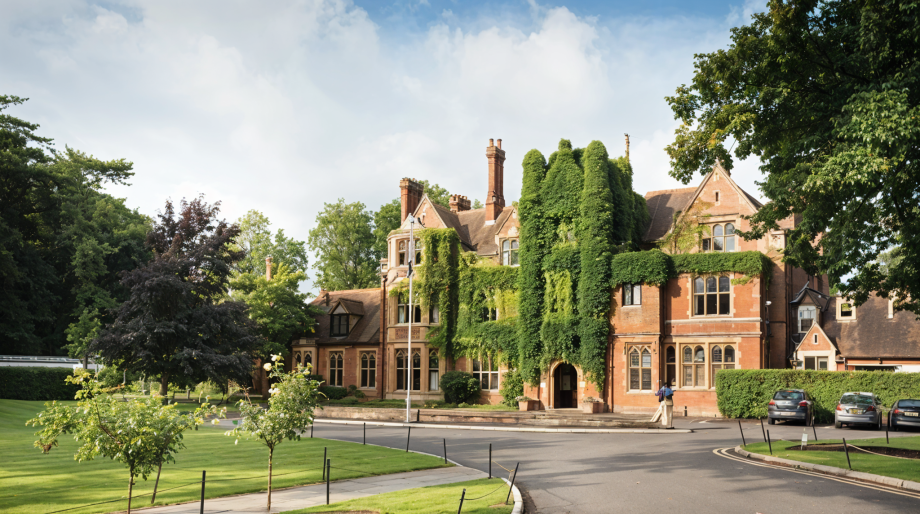 Camp at Box Hill Summer School
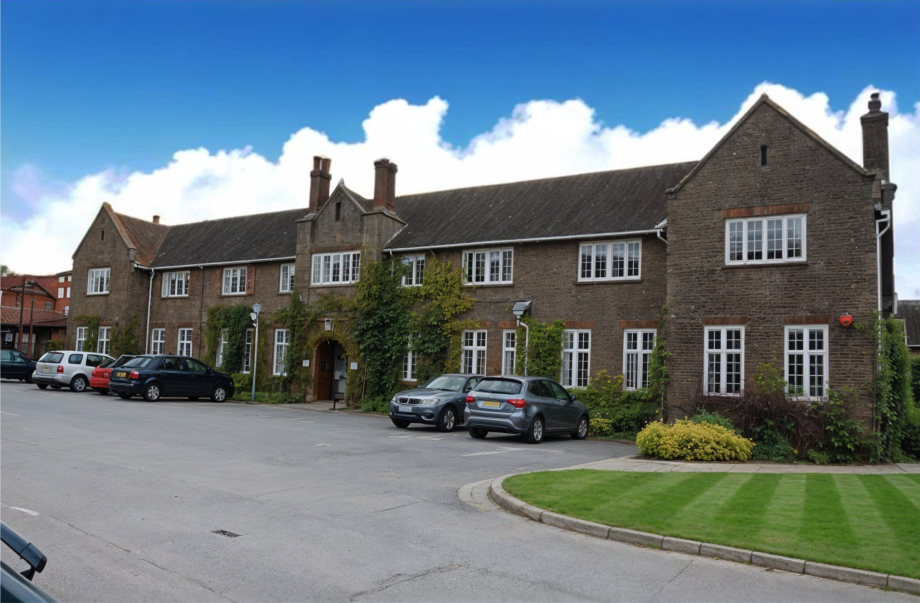 Camp at Plumpton College
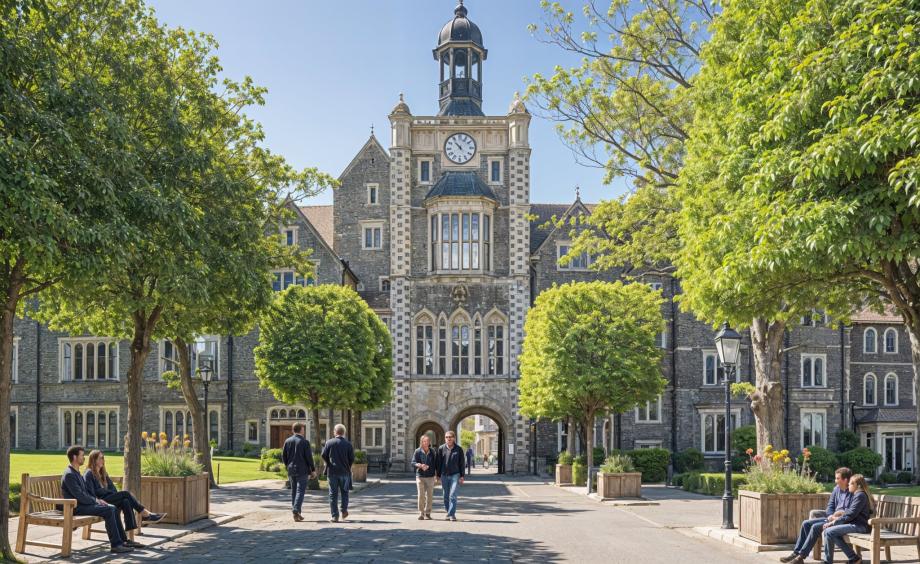 Camp at Brighton College
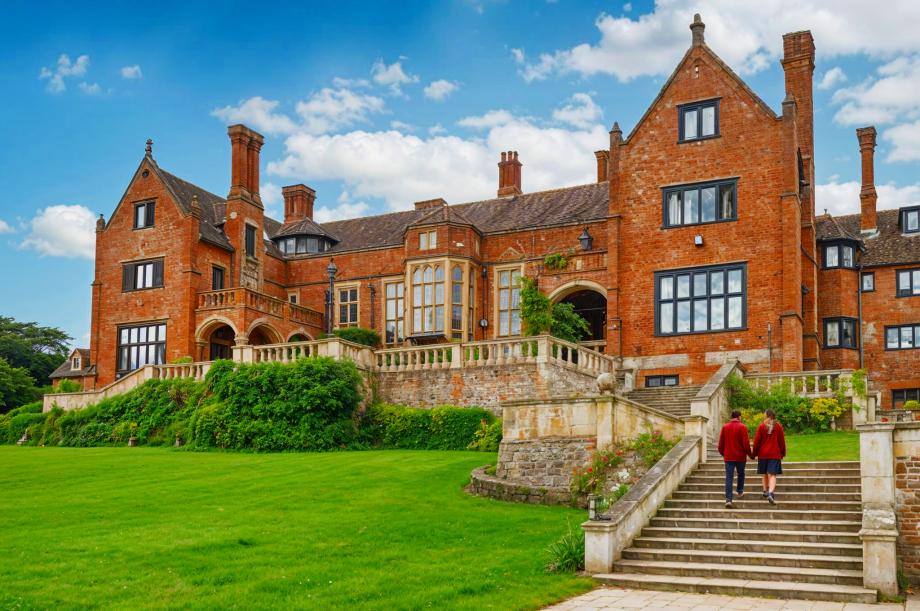 Camp at Shiplake College
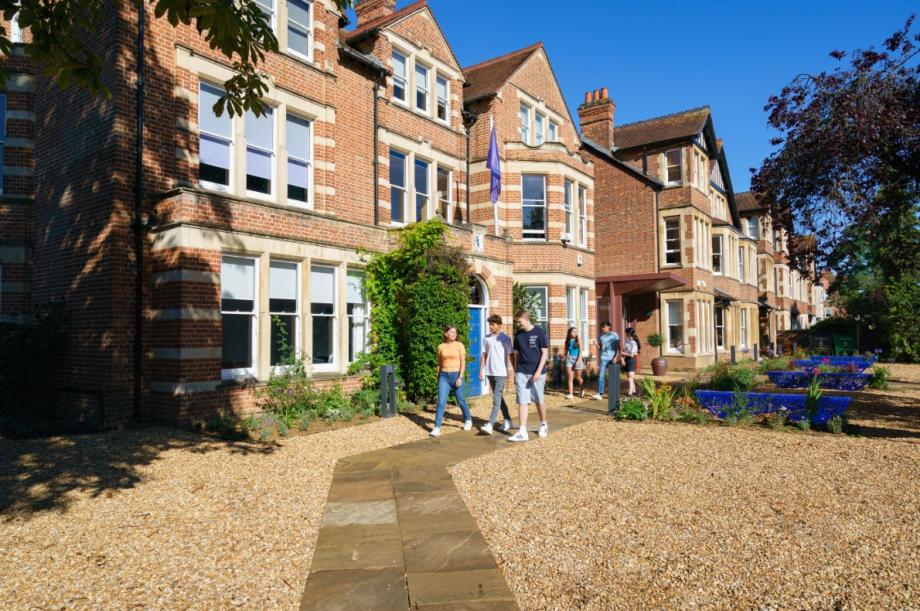 Camp at St. Clare's, Oxford
 Camp in Cambridge
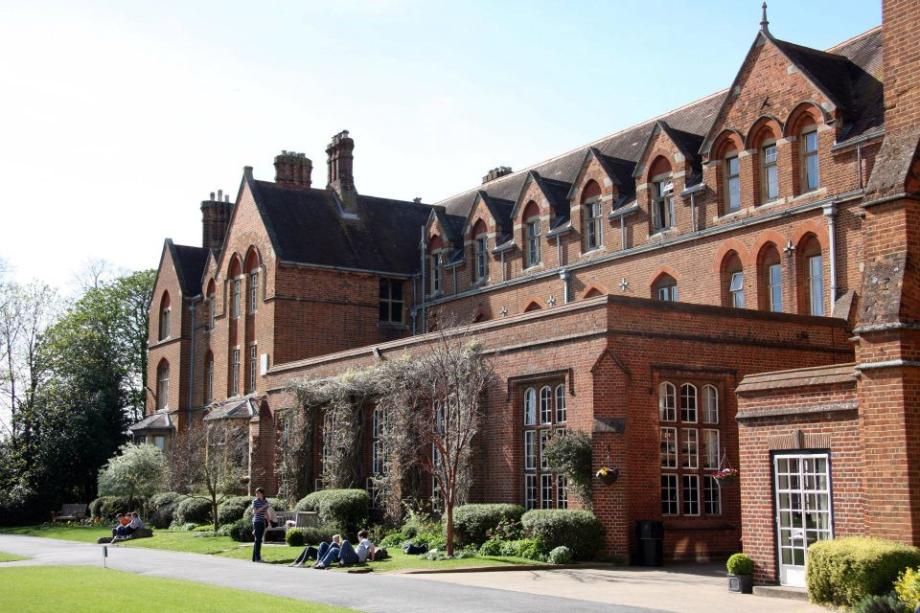 Camp at Oxford International College
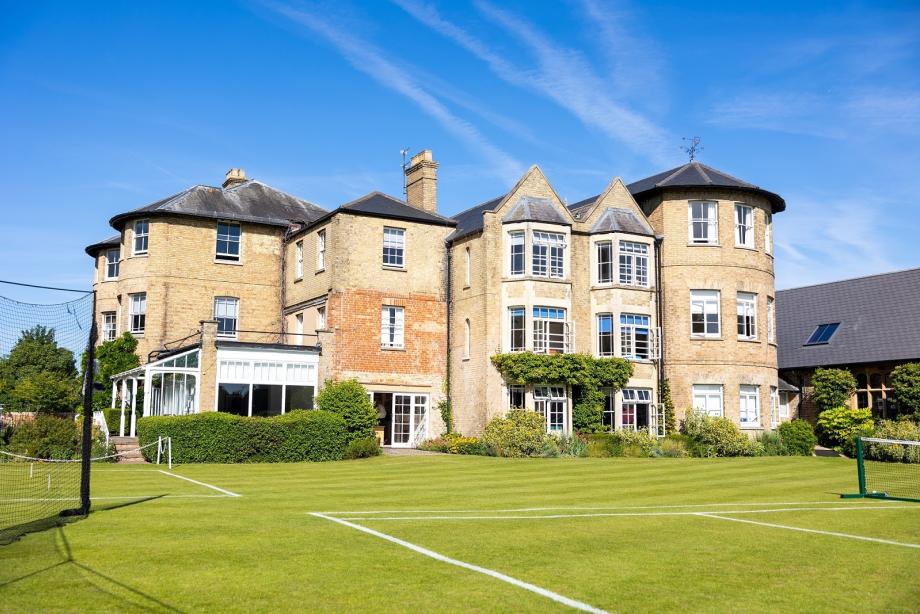 Camp at Summer Fields School, Oxford
 Camp at London South Bank University
 Camp in Edinburgh, Scotland
 -

Canada
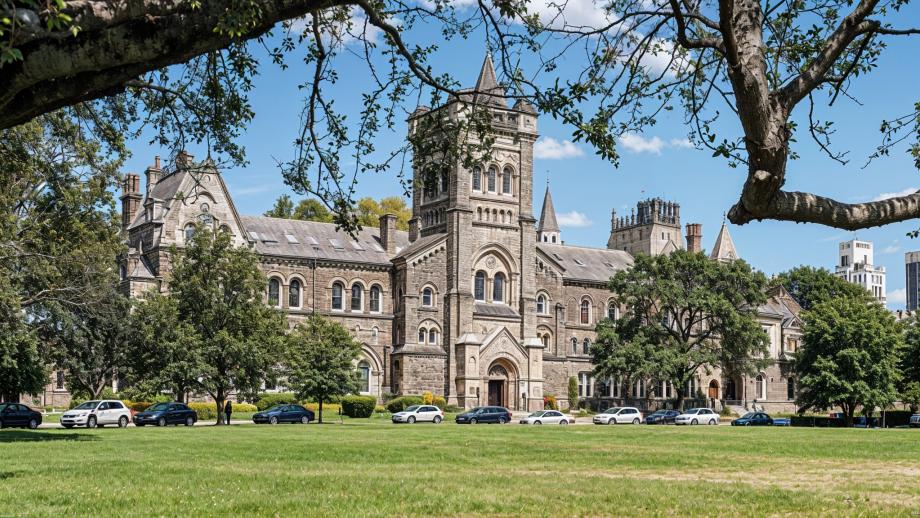 Camp at University of Toronto
 -

Malaysia
 Summer camps in Kuala Lumpur, Malaysia
 -

Spain
 Camp in Valencia
 -

Cyprus
 Summer camps in Cyprus
 -

Switzerland
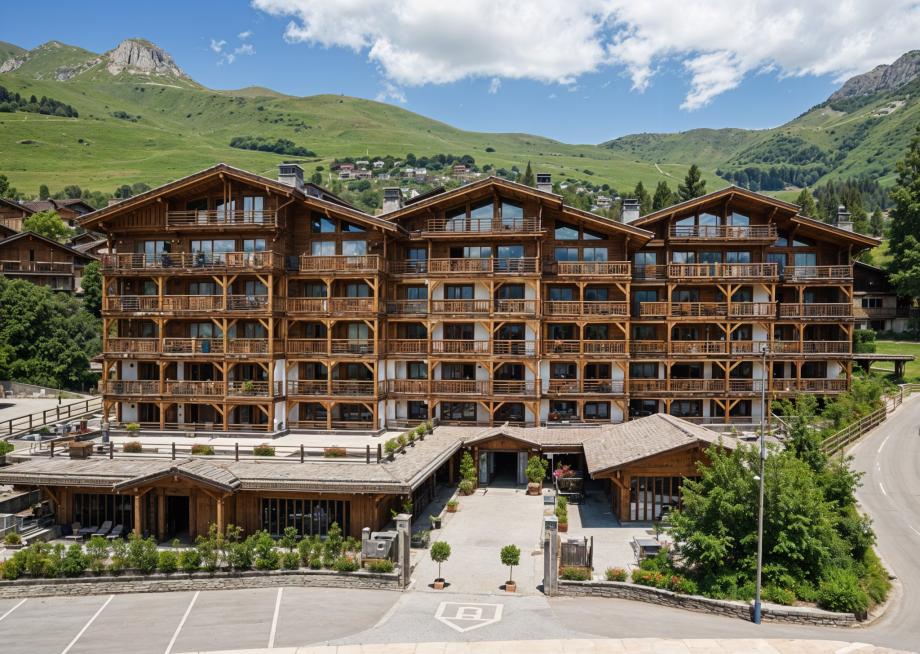 Camp in Verbier
 -

Turkey
 Camp in Antalya
 -

South Korea
 Camp in Seoul
 -

China
 Camp in China
 Camp at Shanghai Thomas School
 -

Serbia
 Camp in Serbia
 -

USA
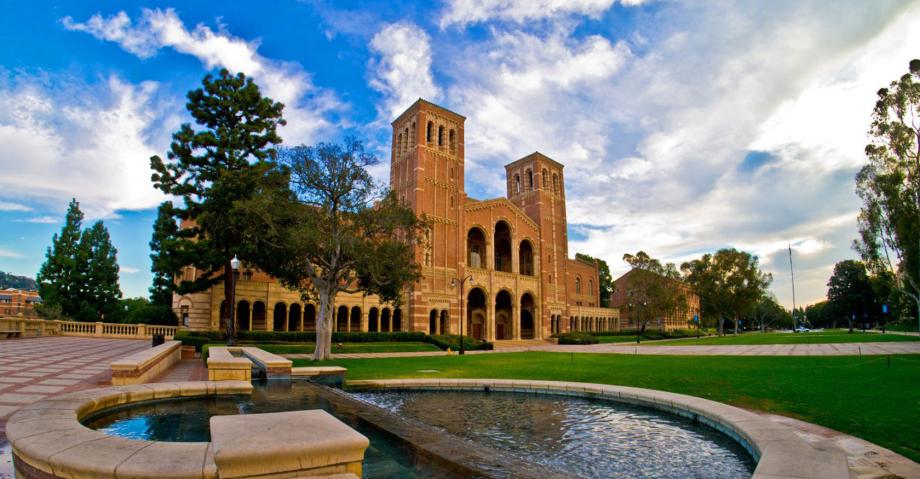 Camp in Los Angeles, UCLA
 Camp at Saint Peter's University
 Camp at Pace University Westchester
 -

Japan
 Summer camp in Japan
 -

Indonesia
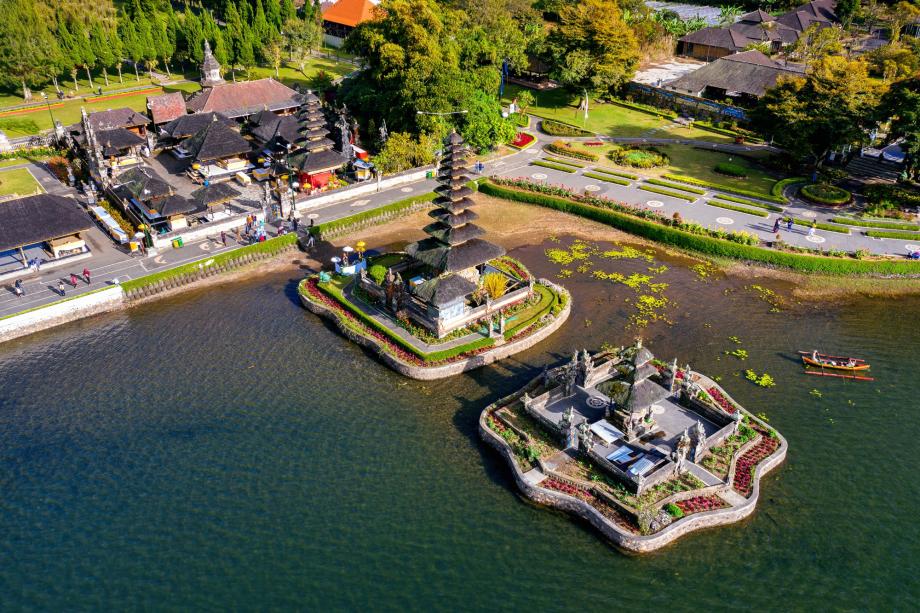 Camp in Bali
 -

Ireland
 Camp at University College Dublin
 -

France
 Summer camp in Paris
Individual trips
United Kingdom, Canada, USA, Ireland, Turkey, Cyprus, Malta, Italy, Spain, Germany, Austria, Thailand, South Korea, Portugal, UAE, France, China, Switzerland, Singapore, Japan, Vietnam, Malaysia










Why will a summer camp abroad put your child a step ahead?
-
1
International experience (the chance to immerse yourself in a multinational environment and broaden your horizons)
-
2
Language practice (communicating in a foreign language with native speakers and children from different countries)
-
3
Packed schedule (besides the academic part, the camp runs entertainment programs, sports events, and creative activities)
-
4
Support and safety (full support and organization from SMAPSE, plus help resolving various issues while the child is at the camp)
-
5
Adjusting to boarding school life away from parents (a summer camp is a great adaptation program for your child if you're considering studying abroad for them further down the line)

Individual trips
-
Tuition: 15 hours of foreign language lessons Monday through Friday. The lessons focus on improving speaking, reading and writing skills
-
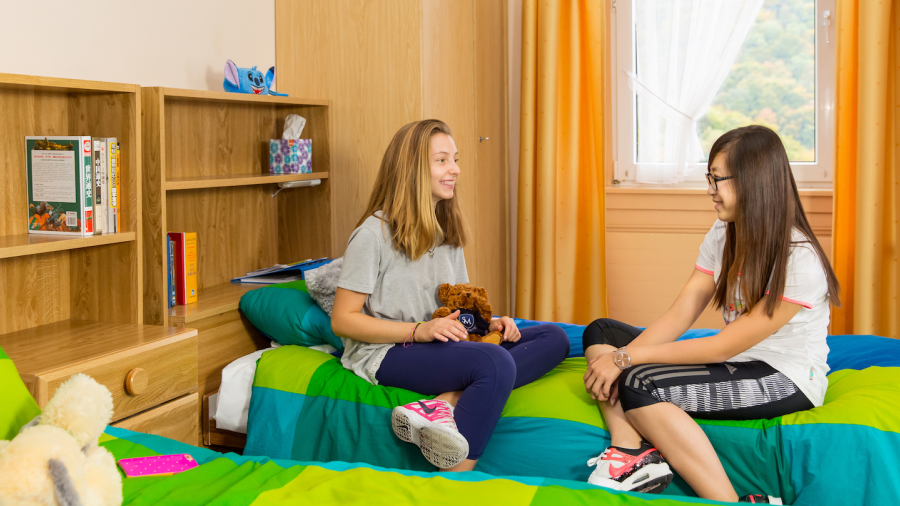
Accommodation: in a campus residence (sometimes with a host family)
-
Meals: three meals a day
-
Excursion program: visits to landmarks, museums, parks and other places of interest
-
Daily entertainment program: watching movies, hobby clubs, walks, sports, etc.
-
Childcare 24/7 by camp staff
-
Certificate upon completion of the course
-
Transfer to and from the airport
-
Visa
-
Flight
-
Insurance
-
Pocket money
*academic camps are available for children whose English level is above B1. Academic camps offer study of the most in-demand subjects and fields in English. They are held in the United Kingdom, the USA and Switzerland. A great fit for those planning further study abroad.

Group trips
-
Tuition: 15 hours of foreign language lessons Monday through Friday. The lessons focus on improving speaking, reading and writing skills
-
Accommodation: in a campus residence (sometimes with a host family)
-
Meals: three meals a day
-
Excursion program: visits to landmarks, museums, parks and other places of interest
-
Daily entertainment program: watching movies, hobby clubs, walks, sports, etc.
-
Childcare 24/7 by camp staff
-
Certificate upon completion of the course
-
Transfer to and from the airport
-
**Airport pickup/drop-off
-
**Visa support
-
**Children accompanied by SMAPSE staff
-
**Photo updates in the parent chat
-
Flight
-
Pocket money
-
Insurance
Will overcome the language barrier
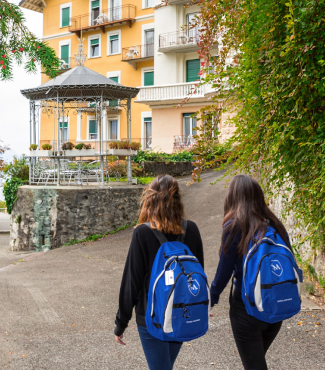
Will become more independent
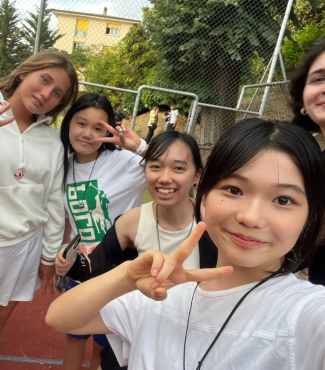
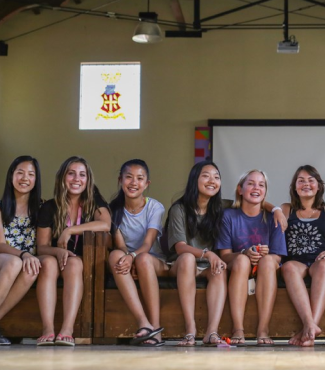
Will make friends from different countries around the world
Will be motivated to achieve academic success

Reviews of past seasons' summer trips

Yana

Margarita
Deriya and Almila

Taisiya

Vladimir

Viktoria

Vika

Alexander

Matvey

Katya

Danil

Ekaterina


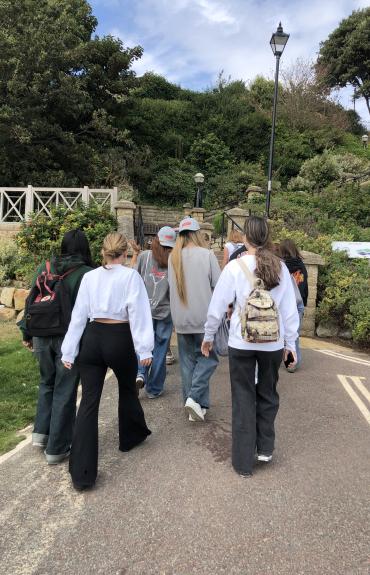
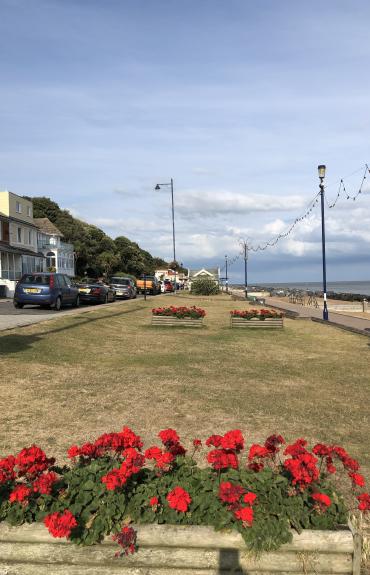
I'm very grateful to Smapse Education, but I'm most grateful to Marina and Elena. I went to a small town in the UK called Bury St Edmunds. While you live and study at the school, you really get immersed in British culture. There were very frequent trips to other cities and museums. The three meals a day were delicious and high quality, and we constantly tried and cooked British food. The program is very interesting, and at the same time you improve your level of English
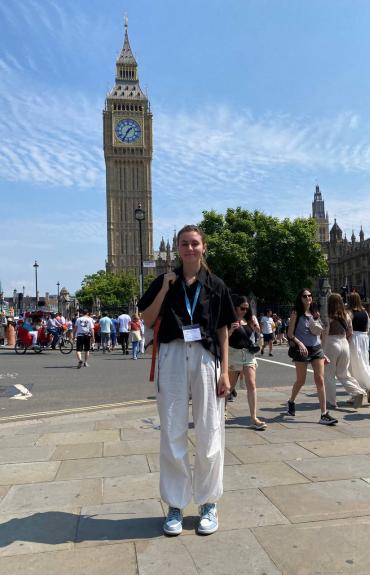

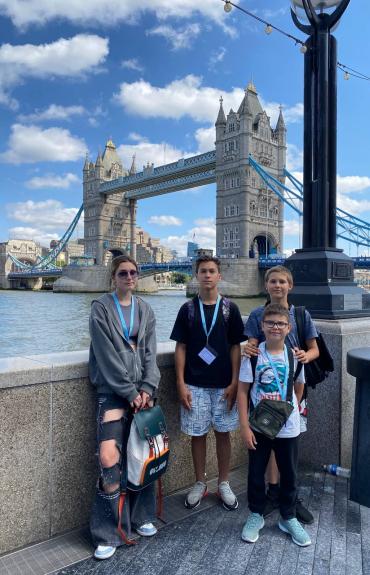

I came to the camp as part of a group and I absolutely loved this experience! The whole program was put together in a very interesting way — we visited cities such as London, Brighton, Oxford and others. The classes were held in an engaging format with an emphasis on developing conversational skills, and thanks to them I felt more confident speaking English. During the session I met great kids from different countries. I highly recommend that others visit the camps offered by the Smapse Education team too!
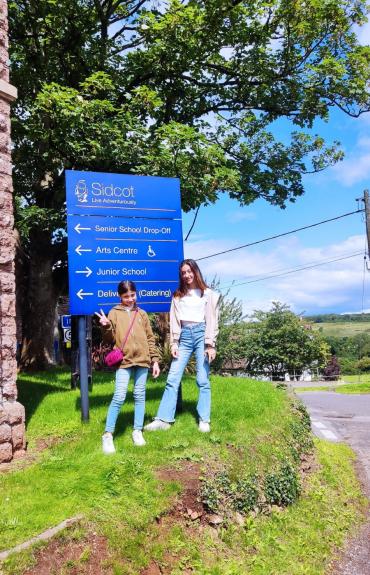

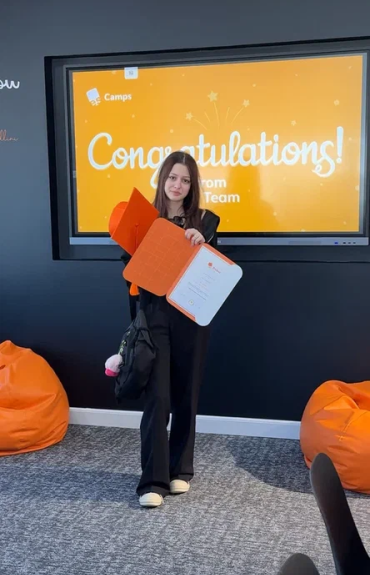
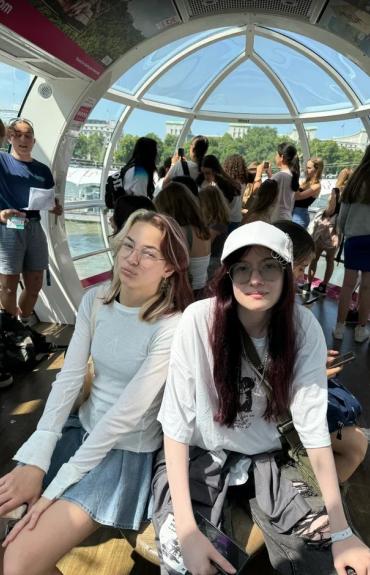
Everything went wonderfully! The study program is interesting, the trips are exciting, the food is varied, and there was an amusement park with rides for the bravest ones at the end of the course! :) The children will remember it all for a long time! The school staff are very responsive people, they helped us arrange a replacement diabetic pump for our daughter, who has diabetes. We're so glad we turned to Smapse, thank you to our manager Elena Krupysheva!

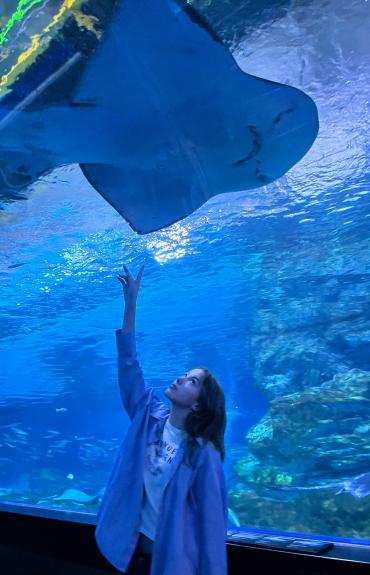
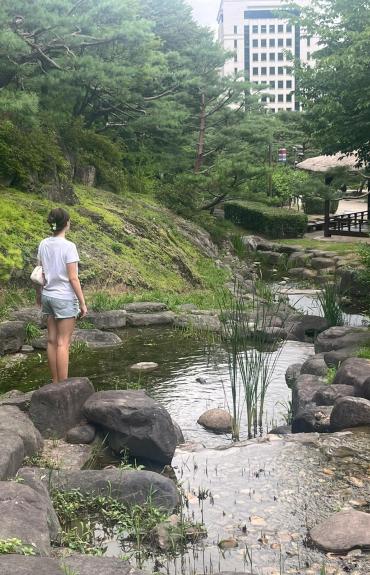
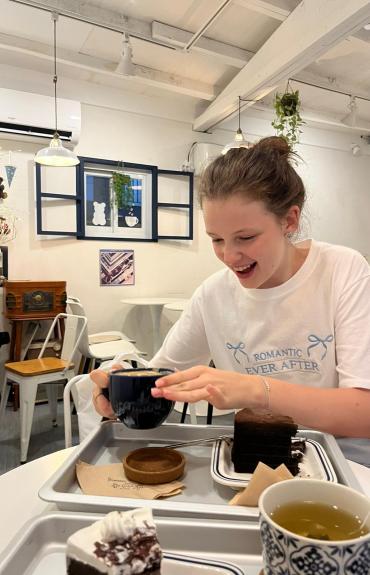
I want to say a big thank you to Smapse for organizing the camp in South Korea — my daughter, like many kids right now, is passionate about Korean culture and was thrilled to visit. It was an ideal combination of pleasure and benefit: English lessons in the morning, and excursions to various interesting places in the afternoon. Special thanks to Polina, who helped with choosing and organizing the trip. And to Sofia, who helped my daughter a lot when she got sick there — she accompanied her to the hospital, helped and supported her. The organizers always kept the parents informed about what was happening at the camp, sent photos and videos, and helped the girls with their problems on the spot. Thank you for a wonderful trip!
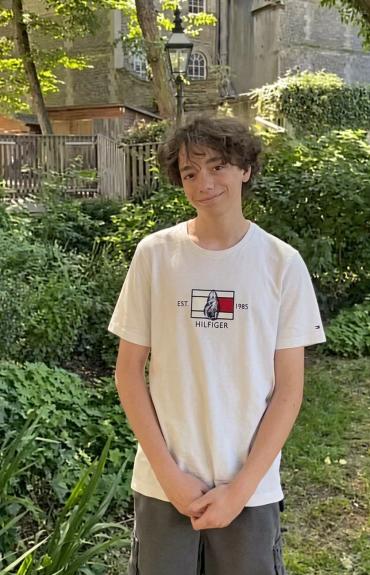
Hello, my name is Vladimir! I'm staying at the Aldenham camp, everything here suits me and I like everything.
I want to express my gratitude to the Smapse company and our leaders: Anastasia and Evgeny.
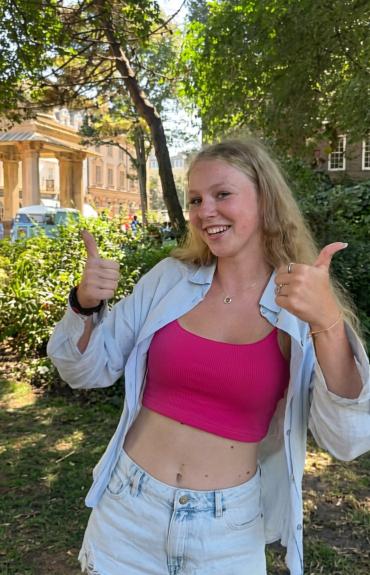
Hi everyone! My name is Vika. I'm in England together with Smapse Education at Aldenham School. I really like it here, I spent 3 weeks in Cambridge, and now I'm at Aldenham School. I went to London many times, made friends from different countries, and I loved everything.
It was all great!
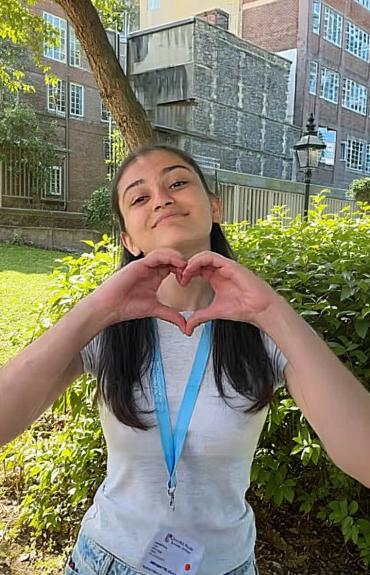
Hi everyone! My name is Vika. Right now I'm in England together with Smapse Education at Aldenham School. At this camp I made a lot of friends and improved my English (the conversational part). The excursions were very interesting and very productive. And I want to express huge gratitude to Anastasia and Evgeny for the organization!
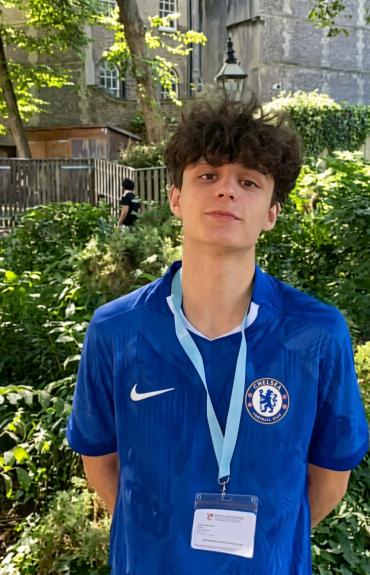
My name is Alexander. I'm currently studying at the Aldenham camp.
I like everything a lot, especially the activities.
I also really want to say thank you to Evgeny and Anastasia.
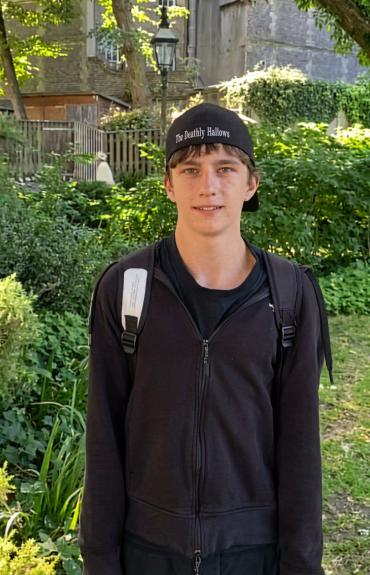
My name is Matvey. I'm at Aldenham School. I want to express my gratitude to Smapse Education for letting us visit London. And an incredible thank you to Evgeny and Anastasia for helping with the organization.

Hi everyone, my name is Katya. Right now I'm at Aldenham School, together with Smapse in England. Thank you very much to Anastasia and Evgeny for the organization. Everything was great – thank you!
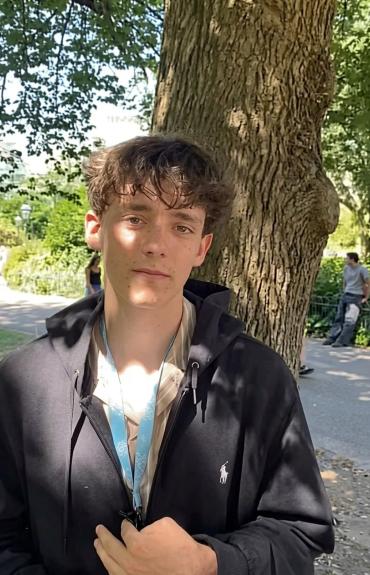
My name is Danya, I'm currently at the Aldenham camp. We're on an excursion in Brighton right now, near the pavilion. I really liked the camp. A deep bow of gratitude to Evgeny and Anastasia.

Hi everyone, my name is Katya. And right now I'm in Brighton, at Aldenham School, together with Smapse Education. I really enjoyed this trip because we visited a lot of different places, and in particular there were many excursions to London.
I really want to go again in winter because I liked this camp so much. Thank you!
Our team

Elena
-
—
The company's lead specialist in short-term children's programs
-
—
6 years of experience
-
—
Hundreds of grateful and happy families
-
—
Personal experience of her daughter attending summer programs

Alexander
-
—
Expert in children's camps and courses for adults
-
—
3 years of experience
-
—
During his time at the company, has helped numerous families choose and arrange trips
-
—
Has personal experience of trips to summer camps and courses in the UK

Anastasia
-
—
Expert in children's camps and secondary education
-
—
4 years of experience at the company
-
—
During her time at the company, has helped families place children in camps and private schools throughout Spain, Europe and the UK
-
—
Personal experience of Spanish language courses in Madrid
What age are summer camps designed for?
Summer schools generally accept children from 10-12 to 17 years old, but there are quite a few options for younger children as well — from 5-6 years old. Our experts will help you find a camp that matches your criteria.
How many weeks is it best to send a child to camp for?
All programs run for a minimum of 2 weeks. On average, parents send their children for 4 weeks.
What level of foreign language is required for admission to a summer program?
For a language camp, any level of proficiency is fine: on the first day the school runs a placement test and assigns the child to the appropriate group based on the results. For an academic camp, the minimum level of English is B2.
If my child has allergies, will the host organization take their dietary needs into account?
Yes, of course. We will select camps that meet this requirement and make sure to specify all details related to your child's health, so that the host organization can arrange meals that exclude any foods your child is allergic to.
Who will look after my child during the camp?
Children are supervised by the school's staff 24/7.
Will you help with payment and transferring money to the camp?
Yes, of course — we help our clients with international transfers.
Do you help with visas?
Yes, we offer a visa support service.
Is it possible to call my child while they are at camp?
Of course — every day, during designated hours, children are free to use their phones and call their parents.
Can a child fly alone?
If your child is independent and can manage a layover on their own, we will arrange a transfer, and a school representative will meet them at the airport on arrival. If the child cannot manage a layover independently, we recommend choosing a group program with a SMAPSE chaperone accompanying your child to and from the camp.
Which program is better to choose?
If the child is independent, an individual program is a good option. For children under 13, we recommend a program with a SMAPSE chaperone accompanying your child to and from the camp, since our staff will be with the children during layovers, if needed.
How do I choose a camp if my child is traveling abroad for the first time?
Our specialists will help you choose a camp that best suits a child traveling abroad for the first time. We know which schools offer a more comfortable adjustment period and a welcoming environment for newcomers. For a first trip, we also recommend considering a trip with one of our chaperones — it is not only safer, but also significantly reduces stress for the child and the parents.
What accommodation options are there for individual participants? Can I choose a homestay?
Participants in individual programs can stay either in a student residence or with a host family.
- Residence: usually located on the school or campus grounds. Here children live together, socialize more, and take part in joint activities.
- Host family: children are usually placed in pairs, but it is not possible to choose a specific family in advance — placement is decided by the organizers. This option allows for deeper immersion in the language environment and a chance to get to know the country's culture.
How can I stay in touch with my child if they don't have an international phone plan?
We recommend getting an eSIM — a digital SIM card that can be activated directly through an app on the phone. The setup process is very simple, and our managers will help you get it configured. You can also buy a physical SIM card on arrival at the airport — the staff member meeting your child will help with this.
Can parents come to the camp for a few days and visit their child?
Yes, parents can visit their child at the camp, but this needs to be arranged with the organizers in advance. Usually it is enough to send an email specifying the date and time of the visit, along with the details of the accompanying adult. In most cases, camps accommodate such requests and allow the child to be taken out for a short time.
If my child travels with a group, will classes only be with children from that group?
No — at the camp, all children are placed into different international groups by age, and into lessons by language level. They will also room with children from other countries to practice their English.
Does SMAPSE run the group summer programs?
All summer programs are run by the educational institutions themselves! SMAPSE staff only accompany children to and from the camp, provide support during the children's stay at the camp, and stay in touch with parents. The schedule of activities and the academic program are put together by the host institution.
Can classes at the camp be skipped?
Classes cannot be skipped without a valid reason (a valid reason may include the child feeling unwell, etc.). Only by attending all lessons will children be guaranteed to receive a certificate of completion. Excursions are also mandatory.
What is the difference between group and individual trips?
The main difference is that a group trip is accompanied by SMAPSE representatives from start to finish. Our staff are also present at the camp throughout the program. Parents receive a daily photo report in a group chat, and children can always reach out to our coordinators. Visa support is also already included in the group trip package.
How is the flight organized for children traveling in a group?
The group departs from Moscow together with our chaperones on the same flight. At the airport we meet parents and children, run a briefing, organize a check before boarding, and accompany younger children (under 14) through passport control, while older children go through it on their own. On arrival in the country of study, a camp representative meets the children and arranges the transfer to the school. All tickets are booked in advance, and parents receive information about the flight for which they need to purchase a ticket.
Who exactly accompanies the group during the trip?
The group is accompanied by our international education specialists — professional, energetic, and experienced young people who have previously worked as group leaders and have accompanied children to overseas camps many times. All our chaperones are fluent in English, well versed in camp programs, and ready to support the children at every stage of the trip.
What additional expenses might come up during a group trip?
Everything essential is already included in the program price, but children may need pocket money for personal expenses.
This may include:
- Buying souvenirs or items during excursions
- Additional excursions not included in the main program (subject to agreement with parents)
- Personal spending on cafes, entertainment, or transport in free time
Can I choose a specific camp or accommodation for a group trip?
We do not organize group trips to every existing camp, but we carefully select countries and programs so that parents and children have a wide range of choices. Our specialists will be happy to send you a brochure with the available options, explain each program in detail, and help you find the best fit.
How is medical care provided at the camp?
Every camp always has medical staff on site, most often a nurse, as well as personnel trained in first aid. There are also always first-aid kits with the necessary supplies at the camp. In case of more serious injuries or illness, our chaperones will help arrange a visit to a medical facility, explain the situation to the staff there, and stay with the child for as long as needed.
Can I extend my child's stay at the camp after the group program ends?
Technically this is possible, but it's best to arrange it in advance, as camp spots may run out. Keep in mind that in this case the child will travel home independently, without the group's chaperones, since the main group departs on the scheduled date. If you are considering this option, let us know in advance, and we will help arrange a safe flight home.

Still have questions?
Submit a request and get a consultation right now!
 England
 USA
USA
 Canada


